Data Center

Up to 70% Infrastructure Space Reduction. High-Density Connectivity. Up to 1.6T. No Vendor Lock.

The Challenge

Increasing Bandwidth Without Increasing Infrastructure Complexity

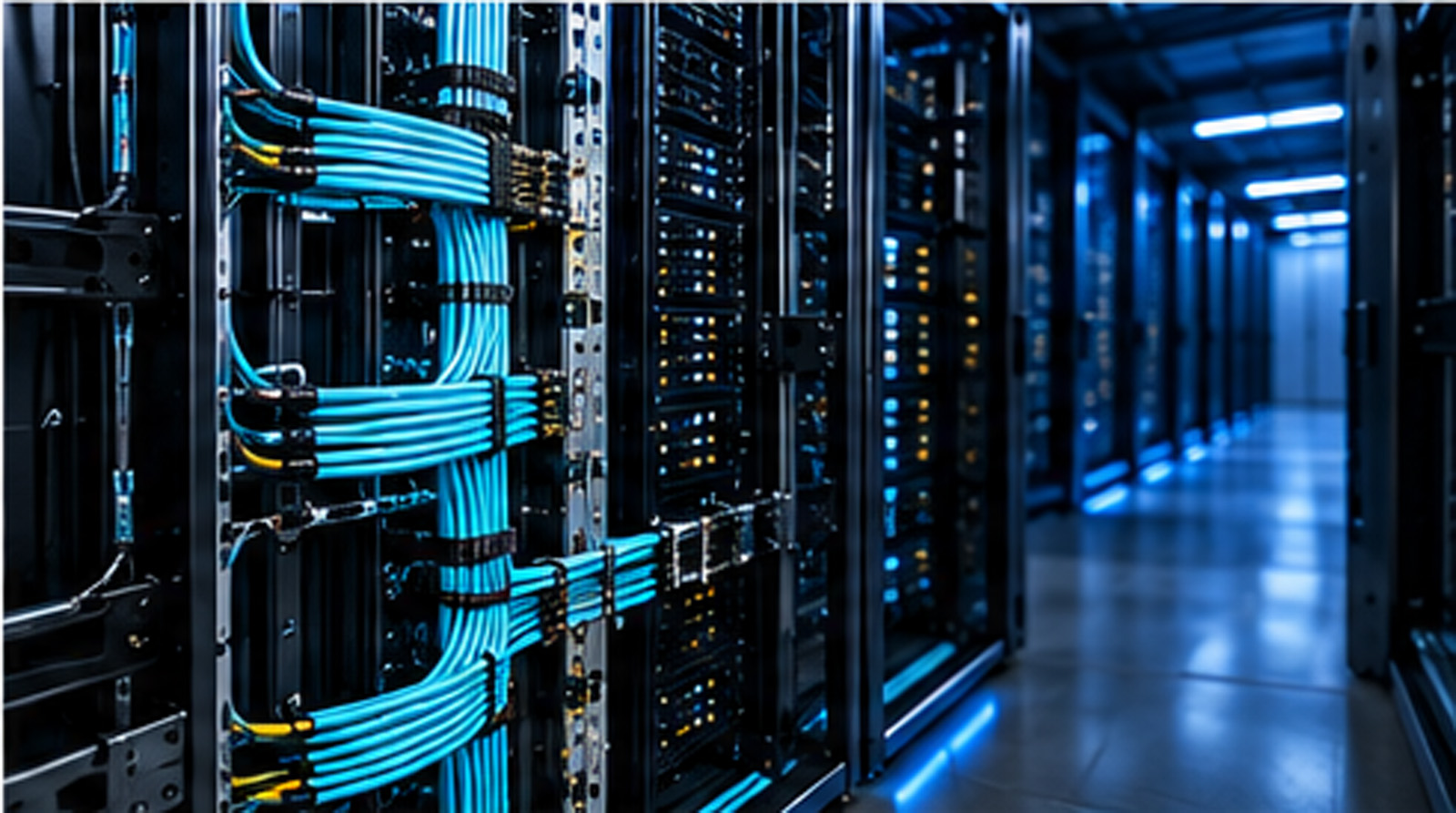
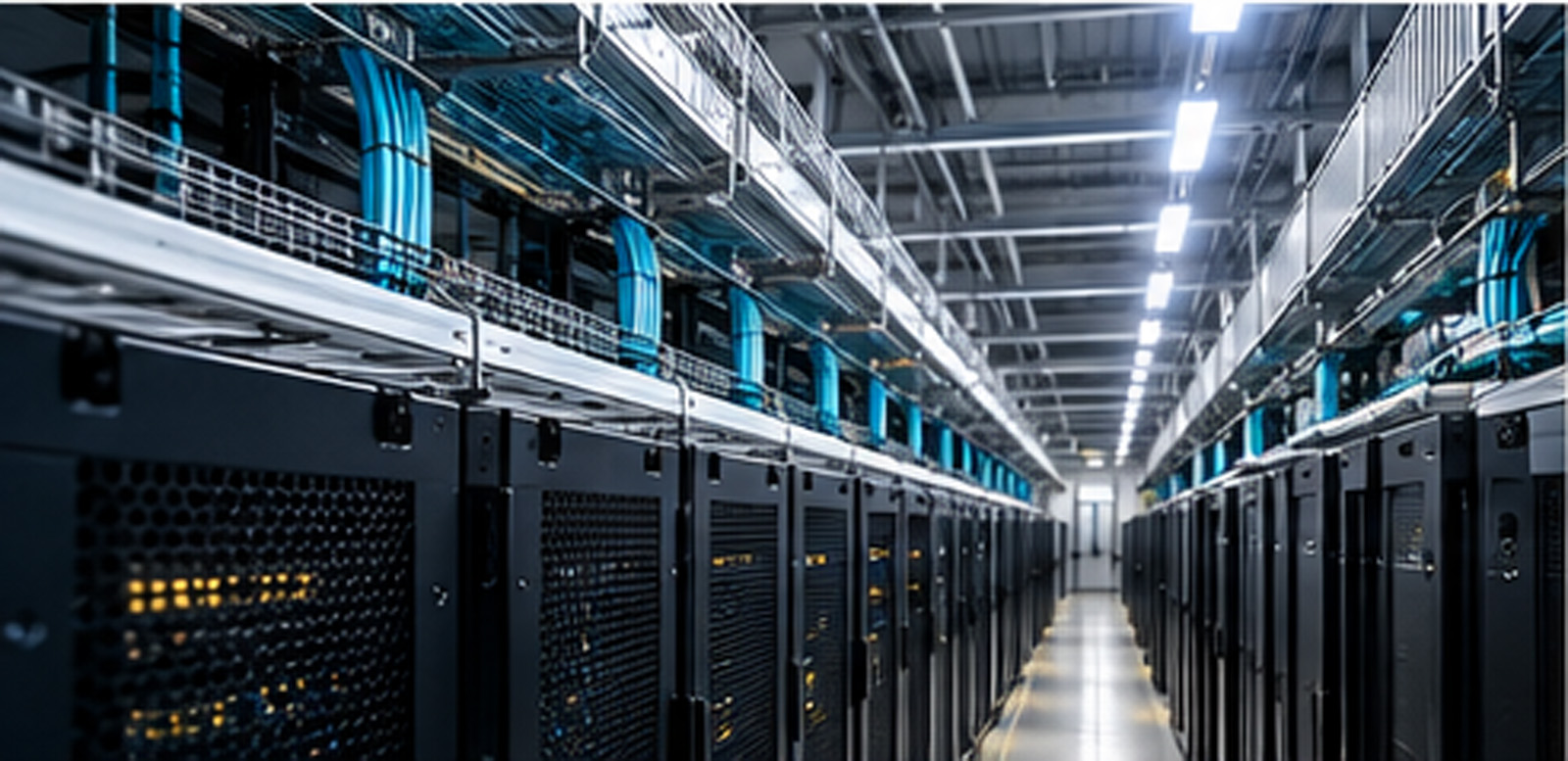
Modern data centers must support rapidly growing bandwidth, higher port densities and continuous technology upgrades – often within the same physical footprint.

As networks evolve toward 400G, 800G and up to 1.6T architectures, traditional fiber cabling systems can create significant operational challenges: excessive rack space consumption, complex cable routing, difficult Moves, Adds and Changes (MACs), longer maintenance cycles and infrastructure that may restrict future migration.

Data center operators, network architects and infrastructure teams therefore need a structured fiber infrastructure that can deliver:

  • Higher fiber density per rack unit
  • Efficient use of rack and floor space
  • Simplified cable management
  • Faster Moves, Adds and Changes (MACs)
  • Pre-terminated Plug & Play deployment
  • Low insertion loss and reliable optical performance
  • Flexible migration to higher data rates
  • No Vendor Lock
  • Easier maintenance and troubleshooting
  • Long-term infrastructure scalability

The challenge is no longer simply connecting more fibers.

It is building a high-density fiber infrastructure that can evolve with the data center without requiring repeated infrastructure replacement.
Our Solution

STAR High-Density Fiber Infrastructure

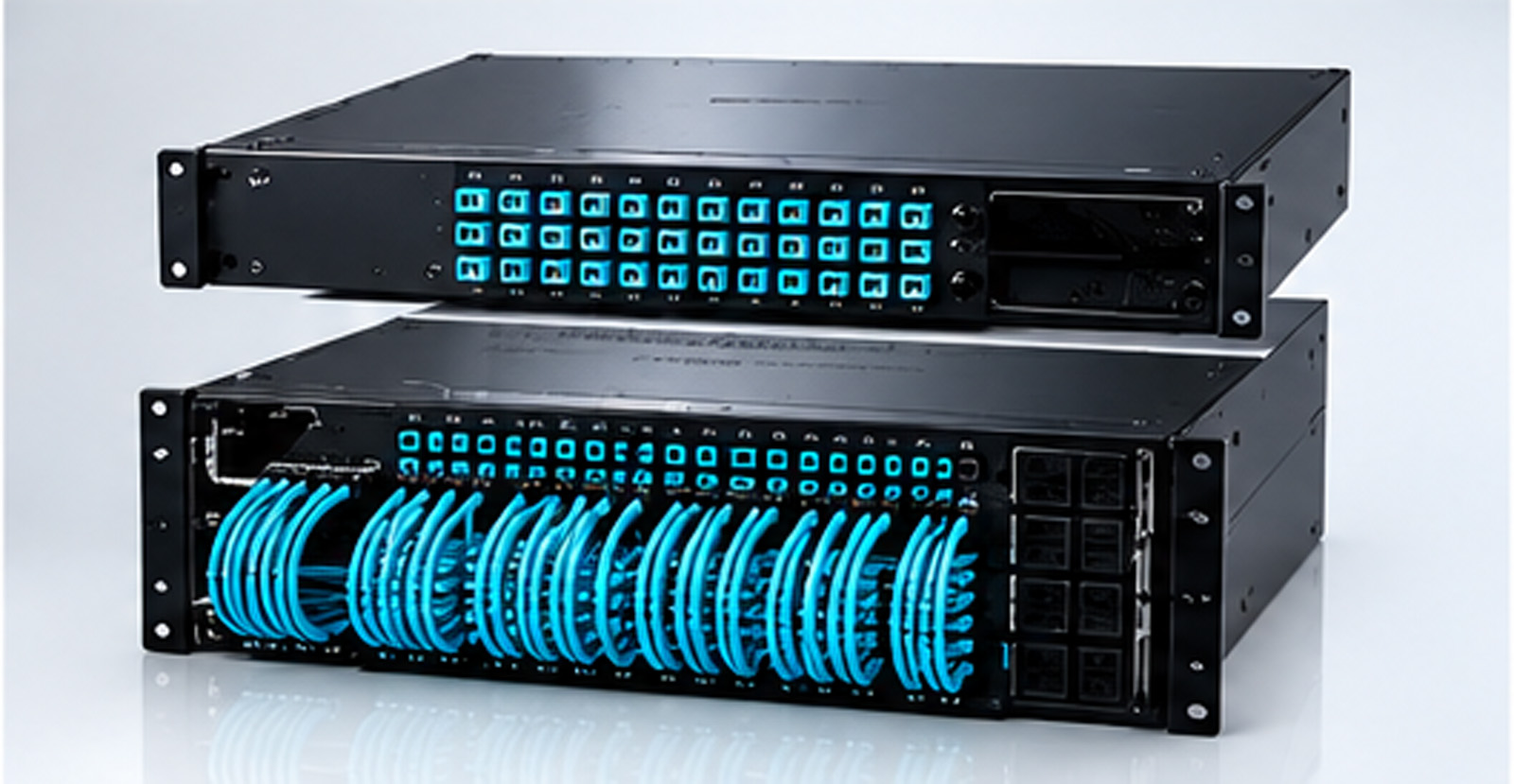
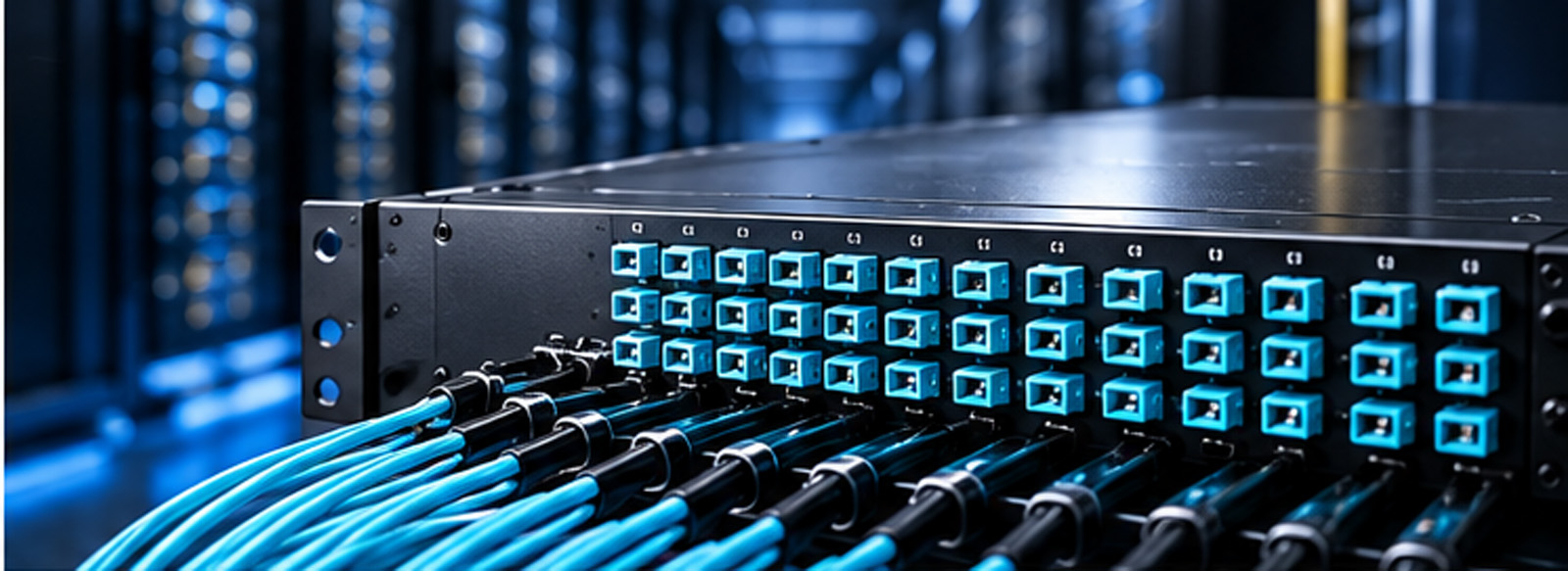
Fibernet's STAR platform is a modular, high-density fiber-optic connectivity solution designed for data centers, central offices and other high-capacity network environments.

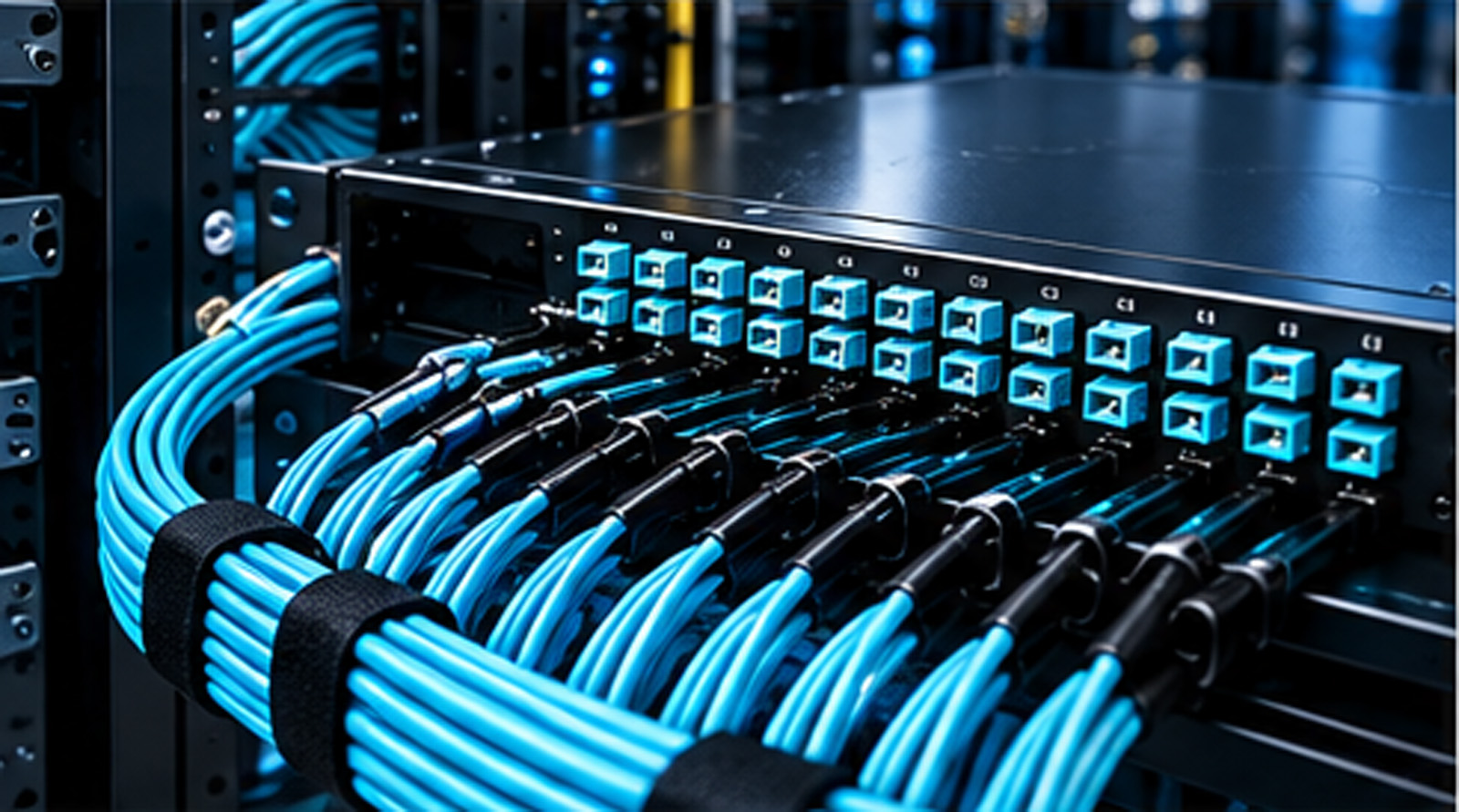
STAR combines high-density Optical Distribution Frames (ODFs), pre-terminated fiber cabling, modular connectivity and structured cable management into a scalable infrastructure designed to simplify deployment, maintenance and future network migration.

By increasing fiber density within the existing rack footprint, STAR can reduce the physical infrastructure required in the data center by up to 70%, helping organizations increase connectivity capacity without proportionally increasing rack or floor space.

STAR Key Capabilities

  • Up to 70% Infrastructure Space Reduction Increase connectivity density while significantly reducing the physical footprint required for fiber distribution.
  • High-Density Fiber Connectivity Maximize fiber capacity within limited rack space using modular high-density ODF architectures.
  • Up to 1.6T Infrastructure Readiness Support current and next-generation data center architectures, including 400G, 800G and up to 1.6T migration.
  • 100% Infrastructure Efficiency Optimize infrastructure utilization through standardized 8- or 12-fiber architectures designed for maximum connectivity efficiency.
  • Pre-Terminated Plug & Play Cabling Accelerate installation and reduce field termination through factory-terminated fiber assemblies.
  • Simplified Moves, Adds and Changes (MACs) Modular trays, accessible connectivity and structured cable management simplify network reconfiguration and maintenance.
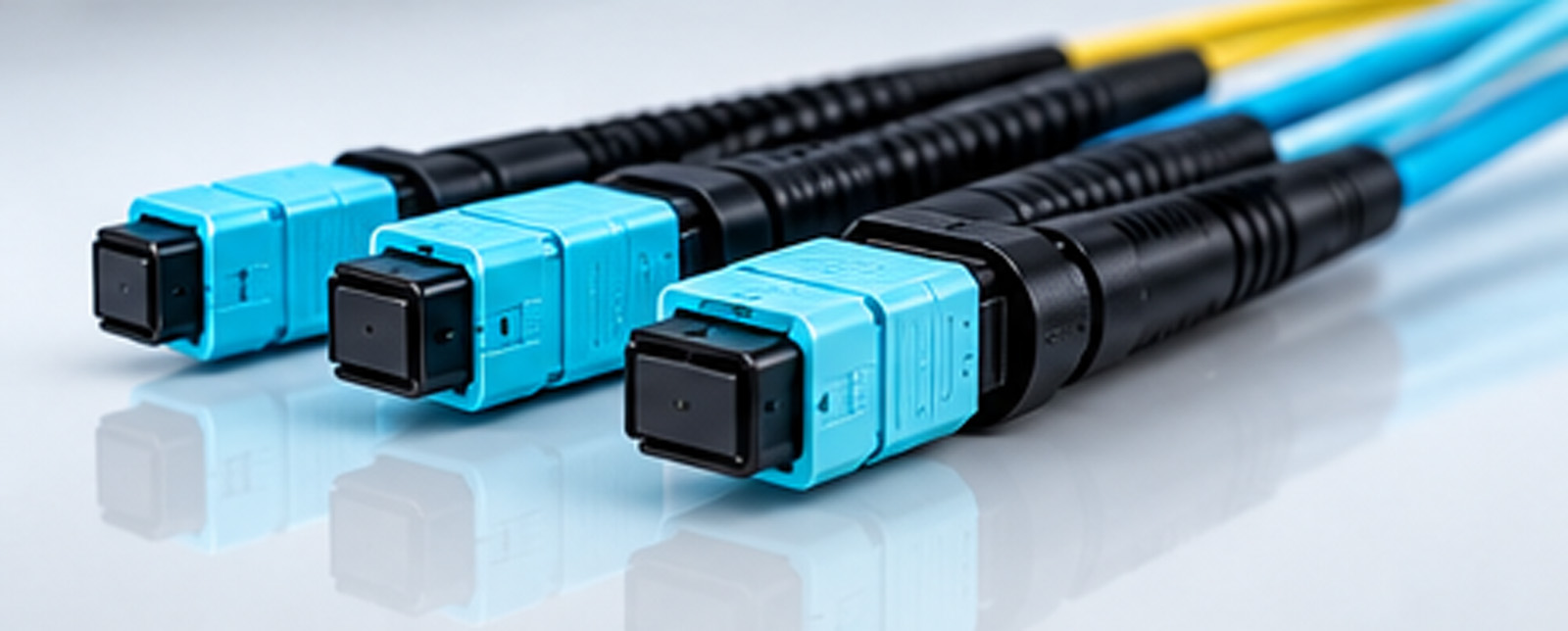
  • Advanced Fiber Connectivity Support for MTP®/MPO, MTP® PRO, LC Uniboot, SN and CS connectivity according to system configuration.
  • NO VENDOR LOCK Maintain infrastructure flexibility without dependence on a proprietary active-equipment vendor or closed network architecture.
  • Structured Cable Management Organized routing, labeling and accessible patching improve maintainability and reduce operational complexity.
  • Standards-Based Design Designed around applicable international fiber-optic, Ethernet and data center cabling standards.
Built for High-Density Data Center Environments

Built for High-Density Data Center Environments

STAR provides a modular fiber infrastructure that can be configured according to rack density, fiber count, network architecture and required data rates.

The platform supports applications including:

  • Enterprise data centers
  • Hyperscale and high-density data centers
  • Colocation facilities
  • Central offices
  • Telecom infrastructure
  • Storage Area Networks (SAN)
  • Core and aggregation networks
  • Main Distribution Areas (MDA)
  • Horizontal and backbone structured cabling

The modular architecture allows infrastructure teams to expand capacity and migrate from current network speeds toward 400G, 800G and up to 1.6T, while maintaining a consistent structured cabling platform.

Data Center Fiber Connectivity

A Complete Infrastructure Ecosystem

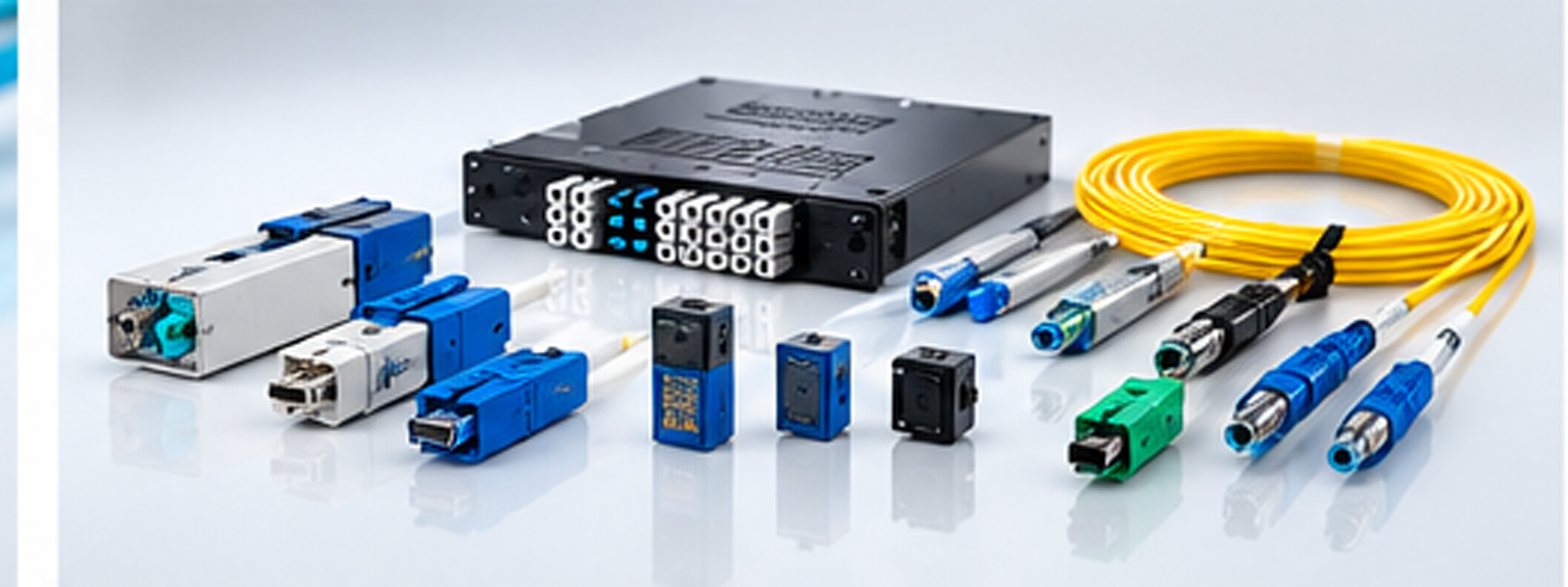
Fibernet provides the components required to build and maintain high-density fiber-optic infrastructure as an integrated solution.

STAR Infrastructure Portfolio

  • High-density Optical Distribution Frames (ODFs)
  • Modular fiber cassettes and connectivity modules
  • MTP®/MPO fiber trunks
  • Pre-terminated fiber assemblies
  • LC Uniboot patch cords
  • High-density SN and CS connectivity
  • Fiber patch panels
  • Fiber cable management
  • Splicing solutions
  • Installation and maintenance equipment
  • Fiber-optic test and measurement equipment

This integrated approach enables infrastructure teams and system integrators to design, deploy and maintain the complete passive fiber layer through a coordinated architecture.

Supporting Data Center Integrators

From Infrastructure Design to Deployment

Fibernet works with data center infrastructure integrators throughout the project lifecycle – from architecture and product selection through installation and ongoing maintenance.

Our support can include:

  • Fiber infrastructure planning
  • High-density architecture selection
  • Bill of Materials configuration
  • Tender and specification support
  • STAR product configuration
  • Pre-terminated cabling design
  • Installation guidance
  • Integrator training
  • Testing and measurement equipment
  • Maintenance and upgrade support

This allows integrators to deploy standardized fiber infrastructure more efficiently while reducing installation complexity and on-site configuration requirements.

From Copper to Fiber

Build the Physical Layer for Higher Bandwidth and Density

As data rates increase, fiber-optic infrastructure provides a scalable foundation for high-bandwidth data center connectivity.

Fibernet supports both fiber and copper infrastructure, enabling organizations to maintain hybrid environments where required while developing a structured migration path toward higher-capacity optical networks.

A properly designed fiber infrastructure can provide:

  • Higher bandwidth capacity
  • Longer transmission distances
  • Reduced cable volume
  • Lower cable weight
  • Immunity to electromagnetic interference (EMI)
  • Increased port density
  • Simplified cable pathways
  • Reduced number of physical connection points
  • Easier infrastructure expansion
  • Support for 400G, 800G and up to 1.6T migration
  • No Vendor Lock

The objective is not simply to replace copper with fiber.

It is to design a physical network infrastructure that can support increasing bandwidth without continuously rebuilding the cabling layer.

Why Fiber for the Data Center?

Long-Term Infrastructure Efficiency

Fiber-optic structured cabling can deliver significant operational advantages in high-density environments.

More Bandwidth

Support increasing data rates and next-generation architectures – from current requirements through 400G, 800G and up to 1.6T.

More Density

Transport greater connectivity capacity through significantly smaller cable volumes.

Up to 70% Less Infrastructure Space

Increase fiber density while reducing the physical infrastructure footprint required for connectivity.

100% Infrastructure Efficiency

Use standardized 8- and 12-fiber architectures to maximize utilization of the installed fiber infrastructure.

Easier Maintenance

Structured, modular cabling simplifies identification, access, reconfiguration and troubleshooting.

EMI Immunity

Fiber is inherently immune to electromagnetic interference, making it suitable for electrically demanding environments.

No Vendor Lock

Maintain freedom to select active networking equipment and evolve the data center without being tied to a proprietary infrastructure ecosystem.

Migration Flexibility

A well-designed passive optical infrastructure can remain in service across multiple generations of active networking equipment.

Why Fibernet

Fiber-Optic Expertise From Design to Deployment

Founded in 1993, Fibernet brings more than 30 years of experience in fiber-optic communications, structured cabling, high-density connectivity, engineering and advanced manufacturing.

Unlike infrastructure providers focused primarily on individual components, Fibernet combines product development, optical engineering, manufacturing, testing, system integration and technical support under one roof.

This enables us to approach the data center as a complete fiber infrastructure environment – from ODF and connectivity architecture through pre-terminated cabling, installation, testing and future expansion.

The STAR platform was developed from decades of practical fiber-optic experience and collaboration with infrastructure integrators, with a focus on the requirements that matter throughout the operational lifecycle:

  • Density
  • Accessibility
  • Scalability
  • Maintainability
  • Optical performance
  • Deployment speed
  • 100% Infrastructure Efficiency
  • Up to 70% Infrastructure Space Reduction
  • Up to 1.6T migration capability
  • No Vendor Lock

More Fiber. Less Space. Up to 1.6T. No Vendor Lock.

Explore STAR High-Density Data Center Solutions →

Capabilities

Other Capabilities