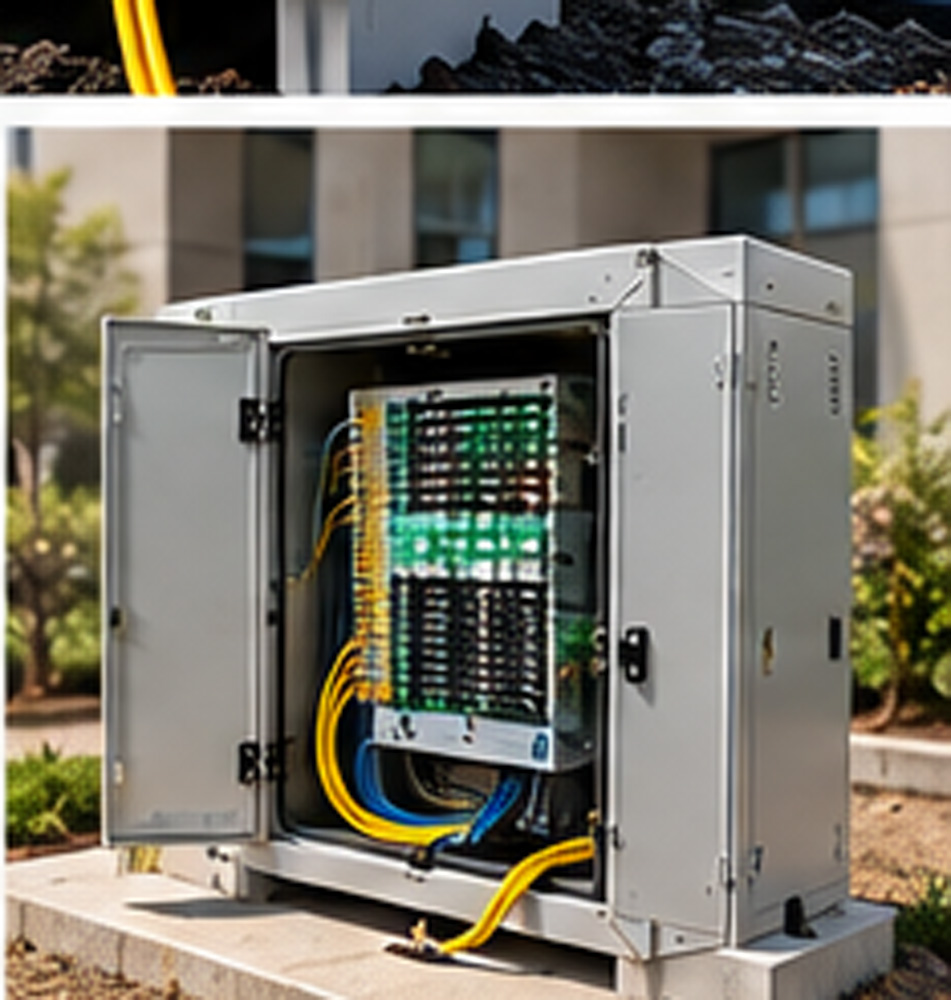
Growing bandwidth requirements, increasing numbers of connected endpoints and the limitations of legacy copper infrastructure are driving organizations toward fiber-based access networks.
But deploying fiber is not simply a matter of replacing copper.
The network must be designed around the required topology, distances, subscriber density, optical budget, fiber distribution, scalability and operational environment.
Poorly planned FTTx infrastructure can lead to unnecessary complexity, inefficient fiber utilization, difficult maintenance and costly future expansion.
Network operators and infrastructure managers therefore need a fiber access architecture that provides:
- High-bandwidth connectivity
- Long-distance transmission
- Scalable subscriber growth
- Efficient fiber utilization
- Simplified maintenance
- Reduced distributed active equipment
- Flexible network expansion
- Reliable optical performance
- Structured fiber management
- A clear migration path from legacy infrastructure
The real challenge is not bringing fiber closer to the user.
It is building the right fiber architecture for the entire network lifecycle.